Every restaurant needs a way to take payments. But the restaurant PoS system has become much more than a payment terminal; it’s now the operational hub where operators take orders, fire kitchen tickets, track inventory, and measure shift performance. Getting this choice right affects more of your operation than it used to.
This guide covers what a restaurant PoS system actually does, what to look for before you choose one, and 10 systems worth evaluating — all of which integrate with Servme.
What Is a Restaurant PoS System?
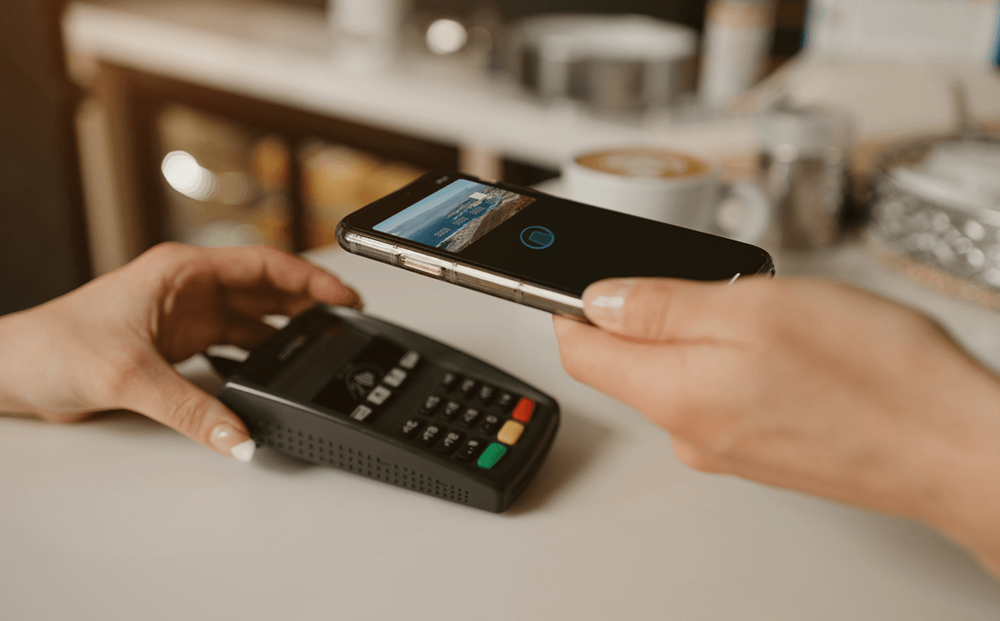
A restaurant point-of-sale system combines hardware and software to manage transactions and operations.
- The hardware is the physical device used to complete a sale — a terminal, tablet, or handheld unit.
- The software is where everything is recorded: guest payments, order history, item-level sales, table status, and staff activity.
Most restaurant PoS systems today are cloud-based, meaning data is stored and accessed remotely rather than on a local server on the premises. Cloud-based systems are easier to update, more secure, and accessible from anywhere. This makes them the default choice for most operators, including hotel F&B teams managing multiple outlets.
Beyond processing payments, a modern restaurant PoS system typically handles order management from the table or counter through to the kitchen, inventory tracking, digital menus, server shift management, and sales reporting. Many also integrate with reservation platforms, loyalty programs, and accounting software, which is where the real operational value lies.
Benefits of Using a PoS System for Your Restaurant
- Speed and accuracy at the point of sale. Orders go directly from a handheld device or terminal to the kitchen display, reducing miscommunication between front-of-house and back-of-house. Payment processing is faster, and split bills or multiple payment methods are handled without manual calculation.
- Clear inventory management. A PoS system that tracks item-level sales in real time gives operators a live view of what’s being used, what’s running low, and where waste is occurring. For hotel F&B teams managing multiple outlets, this visibility across a property is particularly useful.
- Smart reporting. Sales data by shift, by server, by menu item, and by time of day gives operators the information they need to make better decisions on staffing, menu engineering, and pricing. When that data is connected to your reservation platform, you can also see guest spending patterns and visit frequency alongside booking behavior.
What to Look for Before You Choose
The right restaurant PoS system is the one that fits the specific complexity of your operation. A single-outlet café has different requirements from a hotel with five F&B venues and a banqueting operation. Start by mapping your actual needs:
- Which service formats you run;
- How many locations;
- What your kitchen setup requires;
- Which other systems the PoS needs to connect to.
Integration is the most commonly underestimated factor. A PoS that handles payments well but doesn’t connect cleanly to your reservation platform, accounting software, or loyalty program creates reconciliation work that falls on your team. Confirm that integrations are live and actively maintained, not just listed.
What Hotel F&B Operators Should Consider
Hotel F&B operations place different demands on a PoS than standalone restaurants do. A property with a main restaurant, a bar, pool dining, and a banqueting facility needs a system that handles separate revenue centers without requiring manual reconciliation across outlets.
Pay-to-room billing is another standard requirement in hotel-grade systems. It allows guests to charge F&B spend to their room, which then settles through the property management system.
PMS integration is therefore critical for hotel operators. How technology is shifting across hospitality reflects this pressure: hotel F&B teams increasingly evaluate their tech stack as a whole. A PoS that sits outside that stack creates friction at every reporting cycle and makes it harder to give the front desk and F&B team a shared view of the guest.
10 Restaurant PoS Systems That Integrate with Servme
1. Oracle Simphony
Simphony is one of the most widely deployed enterprise restaurant PoS systems globally. It handles multi-location menu management, multi-channel kitchen displays, and language and localization options for operators running across markets. It is well established in hotel chains, stadium operations, and large F&B groups.
Pricing: Essentials plan from $55/month; Plus plan from $75/month.
Verify current rates at oracle.com/food-beverage
2. Infrasys (Shiji Group)
Infrasys is the preferred PoS for many global hotel brands. It runs on any hardware, maintains offline capability when connectivity drops, and supports up to eight languages. Pay-to-room billing and digital signature payments are standard — both essential requirements in hotel F&B. Its integration catalog covers inventory, accounting, and reservation management.
Pricing: Enterprise quote only.
Contact Infrasys via infrasys.shijigroup.com
3. Quadranet
Quadranet positions itself as a full hospitality solution, covering the guest journey from initial booking through to post-visit. The PoS layer includes inventory management, online ordering, loyalty, and ePoS functionality, with integrations across multiple hospitality systems.
Pricing: Not publicly listed.
Contact Quadranet via quadranetme.com
4. Foodics
Saudi-based Foodics is the leading regional PoS across the Gulf and MENA, used by major QSR brands, café chains, and independent operators alike. It covers front- and back-of-house operations, kitchen display screens, inventory management, and customer displays, with strong Arabic-language support.
Pricing: Three plans available, displayed in local currency.
Visit foodics.com/pricing-plans for current rates.
5. Syrve
Syrve is built for F&B operations of all types: quick service, fine dining, dark kitchens, bars, and enterprise groups. Its depth across front-of-house and back-of-house makes it a strong option for operators who need a single system to cover the full operation.
Pricing: SyrveStart from ~$68/month per PoS terminal; SyrvePro from ~$95/month; SyrveEnterprise from ~$123/month.
Verify current rates at syrve.com/en-ae
6. Omega
Omega serves restaurants, hotels, and retailers with a PoS that includes inventory management, loyalty, reservation management, accounting, and a kitchen display system. It is a well-established system and covers both F&B and retail operations within the same platform.
Pricing: Not publicly listed.
Contact Omega via omegapos.com
7. Tevalis
Tevalis is an enterprise ePoS built for multi-site F&B operations. Its product suite covers handheld ordering, kitchen management, digital menus, and self-serve kiosks, making it well suited to operators running different service formats across a group. It integrates with reservation management, loyalty, payments, and mobile ordering platforms.
Pricing: Enterprise quote only.
Contact Tevalis via website.tevalis.com
8. LingaRos
LingaRos describes itself as a restaurant operating system rather than a PoS. Its modular approach — separate products for point-of-sale, kitchen display, and online ordering — gives operators flexibility in what they deploy. Format-specific versions are available for QSR, café, and multi-location businesses.
Pricing: Core plan from $39.99/month (up to 2 locations); PRO from $69.99/month; Enterprise from $109.99/month. Annual billing available at a discount: Core drops to $29.99/month, Enterprise to $89.99/month.
Verify current rates at lingaros.com/pricing
9. Lightspeed (K-Series)
Lightspeed is an F&B ePoS with strong upselling features and flexible bill-splitting — by diner or by dish. It also offers e-commerce and retail ePoS alongside its restaurant product, making it a natural fit for operators with cross-format or cross-market operations.
Pricing: Starter from €69/month; Premium from €349/month (billed monthly on annual commitment).
Verify current rates at lightspeedhq.co.uk
10. Revel Systems
Revel’s enterprise PoS covers kitchen management, online ordering, delivery, drive-through, and loyalty integration. Its Revel Enterprise product is aimed at large chains and groups managing multiple formats and locations, with strong employee management and digital menu capabilities.
Pricing: Enterprise quote only.
Contact Revel via revelsystems.com
The Integration Question
The PoS you choose determines what data flows where and what your team can see when they need it. A PoS that handles payments well but doesn’t connect to your reservation platform means guest spending and visit history stay siloed. A PoS that doesn’t talk to your accounting software means someone is reconciling manually at month end.
How Servme integrates with your existing stack is worth understanding before you finalize any PoS decision. When the two systems share data — guest profiles, spend history, visit frequency — the floor team has a richer picture of who is coming in and what they’ve ordered before. That’s the difference between a PoS and a reservation system running side by side and a connected operation that improves with every visit.
That connected view is what improving restaurant sales actually requires.
If you’re evaluating a PoS system alongside a reservation and guest management upgrade, book a demo with Servme to see how the two sides of your operation connect.