Most restaurant tech stacks aren’t designed to work together. Your reservation platform captures booking data. Your POS captures spend. Your payment gateway captures transaction records. Each tool does its job, but the data stays in separate places, which means the people running the operation are making decisions from a partial picture.
Restaurant integrations solve this. When your systems share data in real time, a returning guest’s spend history informs how the team greets them. A no-show triggers an automated review of the confirmation workflow. A booking from Instagram lands in the same dashboard as a direct reservation. Here is how Servme connects each part of the stack.
POS Integration: Reservations & Spend in One View
A reservation system without POS data tells half the story. You know a guest booked, arrived, and left, but not what they ordered, how much they spent, or how that compares to their last visit. Connecting reservations to your POS closes that gap.
Servme integrates with Oracle/Micros, Infrasys, Syrve, Foodics, Revel, and Omega, among others. Every check and transaction links back to the specific guest profile and booking, so the team can see spend history, order patterns, and average check size alongside reservation details.
21 Restaurant Metrics & KPIs to Boost Performance & Profits
- Live Spend. Operators using Servme get a real-time view of ongoing check value across all active tables. A table with low spend early in the service is a prompt for the server to suggest a second round or a dessert. A table approaching check close signals the team to prepare for turnover. These are not new decisions — experienced operators make them instinctively — but Live Spend makes them available for every table, every shift, regardless of who’s on the floor.
- Guest Spend Segmentation. POS data feeds directly into guest profiles, enabling spend-based tagging. An operator can identify guests who spend above a threshold in a 30-day window and trigger a personalized follow-up or reward, without any manual list building.
For hotel F&B teams, POS integration extends to PMS connections. Room booking data — guest name, stay duration, dietary preferences, occasion notes — flows into the F&B guest profile before service begins, so the team can personalize the experience for in-house guests without asking them to repeat information the hotel already holds.
Payment Integration: Protecting Revenue at the Reservation Stage
No-shows and last-minute cancellations cost more than the covers themselves. A held table represents staffing allocation, prep work, and a seat that could have been offered to a walk-in. Payment integration at the reservation stage gives operators tools to reduce that exposure.
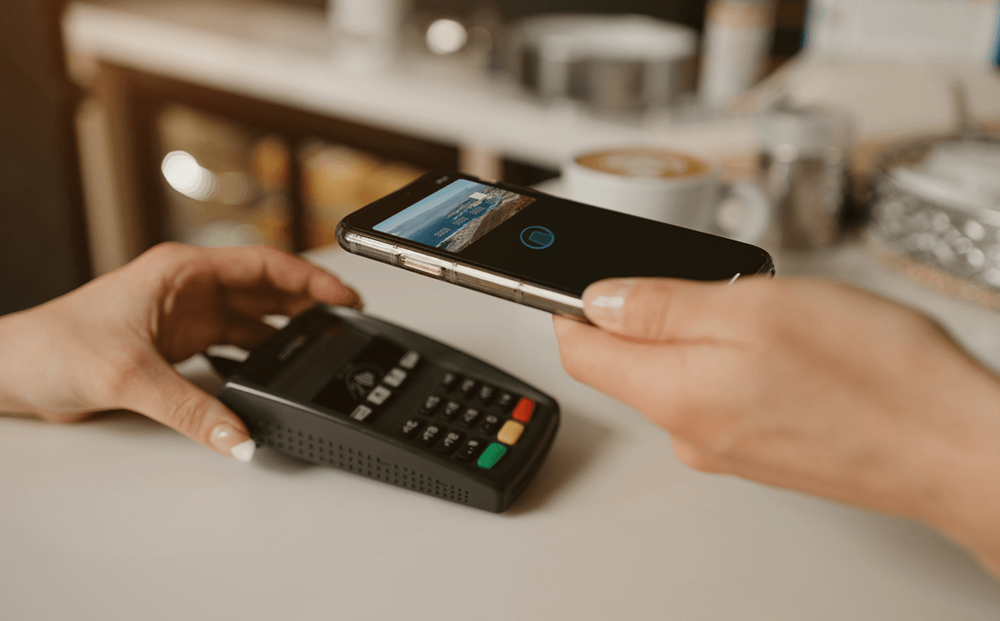
Servme connects with over nine payment gateways — including Network International and Stripe — enabling three specific protections:
- Deposits. Required upfront for high-demand dates, large parties, or special event bookings. Revenue is secured before the guest arrives.
- Pre-Authorization. Funds verified at booking without charging upfront. Effective for standard reservations where a full deposit would feel excessive but a commitment is still needed.
- Automated Reminders and Rules. Payment communications are handled automatically: confirmation messages, reminders before the cancellation window closes, follow-up if a deposit hasn’t been received. The team focuses on service rather than payment administration.
Booking Channel Integration: One Dashboard, Every Source
Guests book through wherever they discover you: Google, Instagram, TripAdvisor, Zomato, or directly through your website. If those channels don’t connect to a single reservation system, the result is manual reconciliation, availability errors, and the risk of double bookings.
Servme integrates with high-traffic booking platforms so that every reservation, regardless of its source, lands in the same dashboard with the same guest data attached. Availability updates in real time across all channels when a booking is confirmed or cancelled, eliminating the manual updates that create gaps.
For hotel F&B operations, channel integration reduces the distance between a guest’s room booking and their restaurant reservation. When in-house guests can book the hotel restaurant through the same channel they used to book their room, capture rate improves without any additional marketing spend.
Guest CRM: One Profile Across Every Visit
The data that makes personalization possible — visit frequency, spend history, dietary notes, occasion records, feedback — is only useful if it lives in one place and is accessible before the guest arrives. Servme acts as the CRM layer for guest data, building a persistent profile that updates with every interaction.
Each profile accumulates reservation history, POS spend data, post-visit survey responses, and team notes. The profile is available to any staff member running a pre-service briefing, across all venues in a group. A guest who dines at one property in the group carries their preferences to the next.
From the CRM layer, operators can build guest segments — by visit frequency, spend tier, last visit date, or occasion type — and trigger automated messaging. A guest who hasn’t returned in 60 days receives a re-engagement message. A guest with a birthday next week receives an invitation before they think to look elsewhere. A high-spend guest who visited three times last quarter gets a personalized note rather than a generic newsletter.
How touchpoints across the guest journey shape return behavior
The value of restaurant integrations isn’t the connections themselves; it’s what becomes possible when the data flows. A team that knows a guest’s spend history before they sit down. A no-show rate that triggers an operational response rather than a report. A booking from any channel that arrives with the same profile attached.
Book a demo to see how Servme connects to your existing stack and what that connection looks like in practice for your operation.