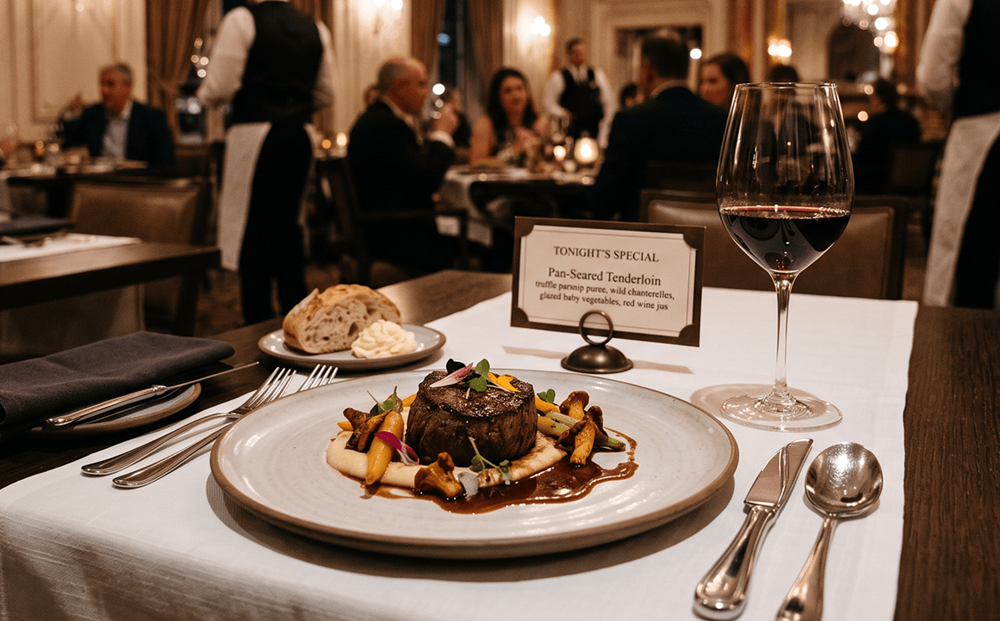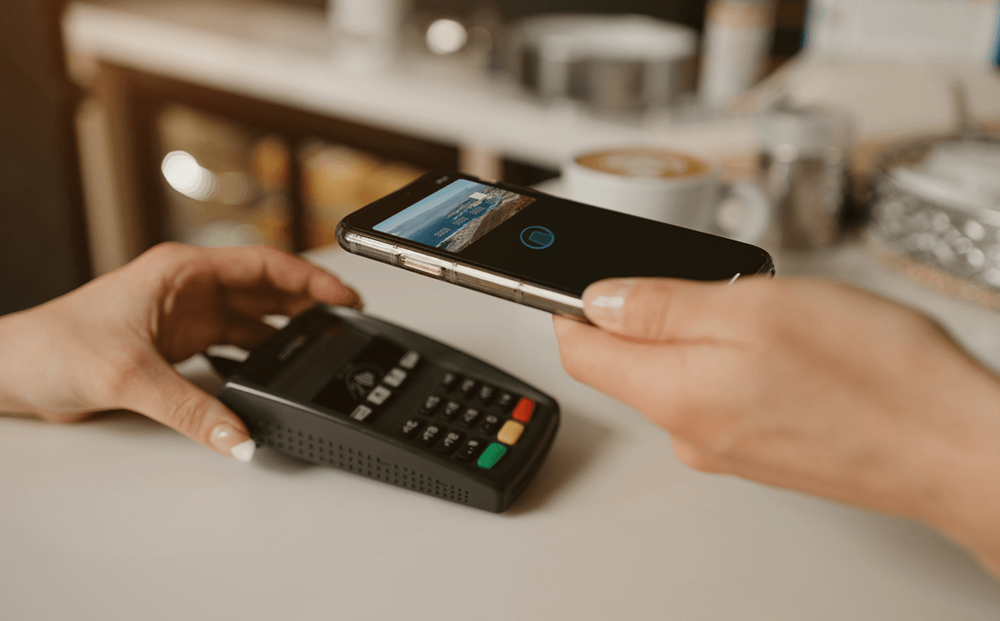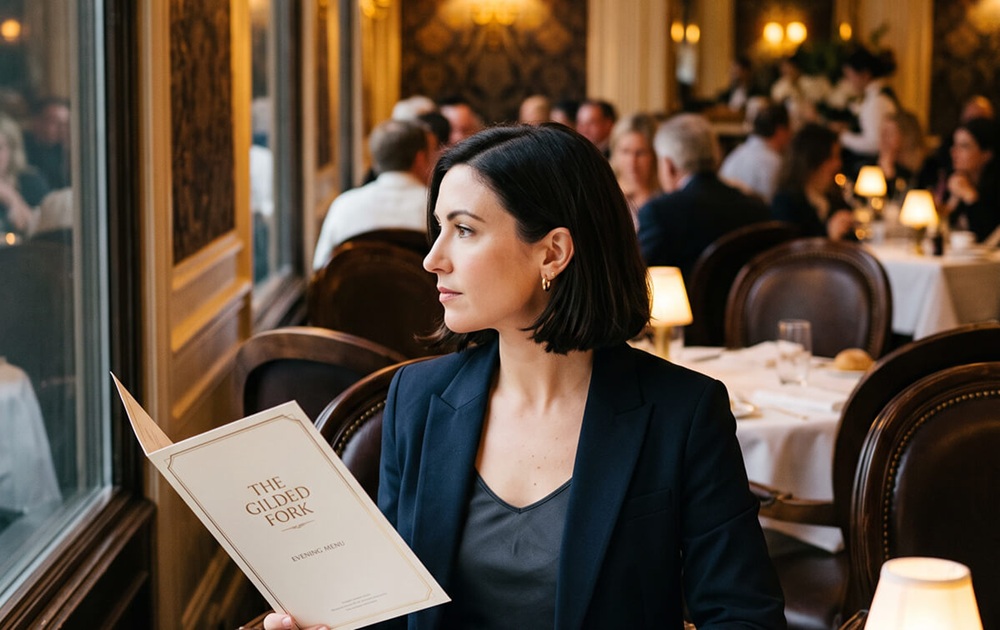
Sometimes, a restaurant’s best customers don’t earn a single point. They book the same table on the same night, ask for the same server when they can, and text a friend to try the place because they feel like it’s theirs. That kind of restaurant customer loyalty wasn’t purchased with a discount. It formed over visits, through food that never disappointed, staff who recognized them, and small moments that made them feel seen.
A loyalty program is a reasonable tool. But the guests who matter most are already loyal… and they didn’t need an app to get there. Frederick Reichheld’s loyalty research at Bain & Company gives this category of customers a name: the Promoter — someone who recommends without being asked. In a restaurant context, that’s the guest who texts a friend, mentions the place at dinner with colleagues, or posts about it unprompted. Creating Promoters requires more than a retained guest. It requires a guest who feels the restaurant deserves to be shared.
The goal isn’t just retention. It’s creating guests who don’t need an incentive to come back, and who recommend you without being asked.
Why the Reason a Guest Returns Matters
Bain & Company’s extensive loyalty research found that repeat guests spend 67% more than first-time visitors. That figure highlights how important loyalty is from a business perspective. Yet, it doesn’t distinguish between guests who return for a benefit and guests who return for the experience. The mechanism behind each is different. One relationship depends on the offer staying attractive. The other is self-sustaining.
A guest who returns for the discount is making a different calculation every time. When the offer changes, so does the decision. It’s rational behavior, not disloyalty. The guest came for the value, and when the value shifts, they reassess.
A guest who returns because the experience is worth repeating isn’t making a calculation. They’ve already decided. The table on Friday night is theirs. The question isn’t whether to come back — they will. It’s when.
What Actually Builds the Habit

Four dimensions are worth getting right, and none of them require an app or a redemption system.
- Consistency. The dish a guest loved on the first visit should taste the same on the fifth. The service standard should hold on a busy Friday as well as on a quiet Tuesday. Regulars don’t come back because the menu changed. They come back because they know what to expect and trust it.
- Recognition. It starts with something simple: a staff member who notices a returning guest and acknowledges them. A host who says “Welcome back” and means it. A server who remembers that this table doesn’t want the bread basket. These moments cost nothing, and they are the difference between a guest who feels like a customer and one who feels like a regular.
- The close. The last interaction a guest has — the bill, the goodbye, whether anyone acknowledged their departure — shapes the memory of the whole evening. A team member who closes a table specifically (“Hope the dinner was everything you wanted”) lands differently than a generic “Have a good night” called across the room. Treat the close as seriously as the welcome.
- When something goes wrong. A mistake handled well is a loyalty moment. When a dish arrives late or an order comes out wrong, the guest remembers the response, not the mistake itself. Empowering your team to fix it immediately, whether by comping an item or bringing a manager to the table, often produces the opposite of what the error threatened.
The Post-Visit Window
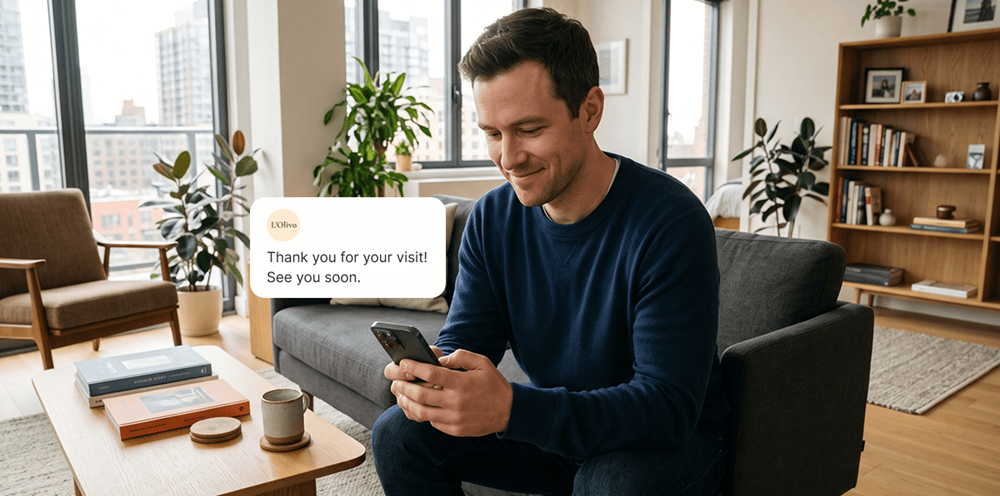
The moment a guest leaves, their decision about whether to return is forming. A follow-up — a simple thank-you, an acknowledgment of the occasion — does something a points notification can’t. It proves you were paying attention. The guest doesn’t feel like a cover count. They feel like someone you were glad to have.
Timing matters because the memory is still vivid. A message within a few days feels like genuine care, even as part of a standard workflow. Wait too long and it reads as automated. The window is short, and how each touchpoint in the restaurant guest journey lands in that window shapes whether a first visit becomes a second.
Think about guests who’ve drifted too. Someone who hasn’t returned in 30 days is a different conversation from someone absent for 90. At 30 days, the relationship is still warm and a message lands as an invitation. At 90 days, it needs to be reintroduced. Knowing where each guest sits in that window, and acting on it, is what turns a one-time visit into a pattern.
Occasion Data Is Worth More Than Points
A loyalty program stores a point balance. What actually creates loyalty is stored context: why a guest came in, who they brought, what occasion they were marking.
Knowing a guest celebrated a birthday in October last year and acting on it — with a message in September, a table setup that acknowledges it when they book again — creates a moment a points tier can’t replicate. They don’t need to scan an app. You just need to remember.
And it doesn’t have to be a birthday. The anniversary of a guest’s first visit, a table booked every January for a work dinner, a wedding dinner from two years ago — any occasion on file is an opening. Reaching out before they’ve thought to book is what makes it feel like a relationship rather than a retention strategy.
If You Run Hotel F&B: The Capture Rate Opportunity
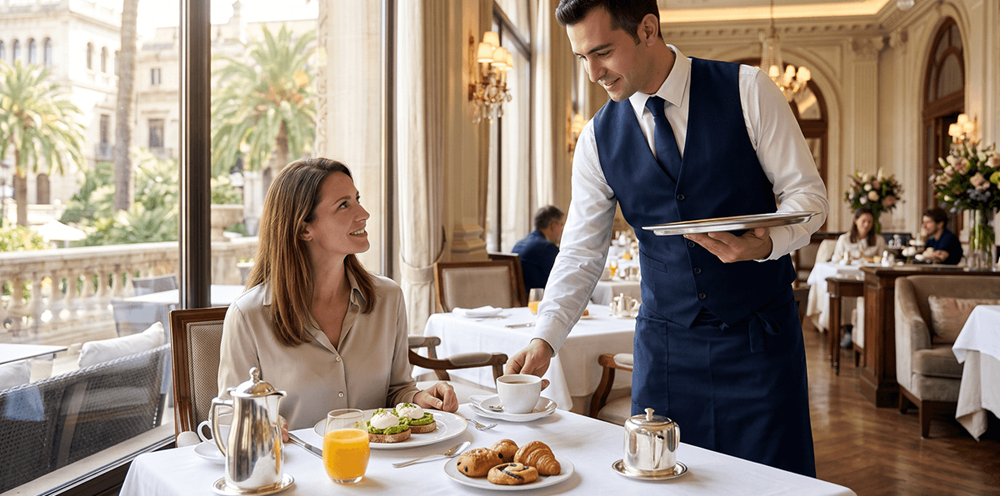
The same logic applies to hotel restaurants at a different scale. An in-house guest who feels recognized at breakfast because a server remembered how they take their coffee for example, is more likely to return for dinner, book your restaurant on their next trip, and mention it at checkout.
The capture rate question isn’t only about why guests eat off-property. It’s also about whether your dining experience gave them a reason to stay. The hotel restaurant touchpoint carries particular weight and can be the one that shapes whether a guest books the same hotel again.
Consistency, recognition, and the quality of the close matter here exactly as much as they do in a standalone restaurant. The only difference is that in a hotel, the guest is already on-site. The opportunity to earn the next visit is right there.
Loyalty Is Built in the Details
The guests who come back every week, who bring colleagues, who recommend you without being asked, tend to share one experience: they feel like you know them. Not as a data profile, but as a person. That feeling is built through a team that treats every interaction as part of a longer relationship.
The right tools make that discipline easier to sustain at scale. To see how Servme helps you build guest loyalty through guest records, follow-up workflows, and occasion tracking, book a free demo.