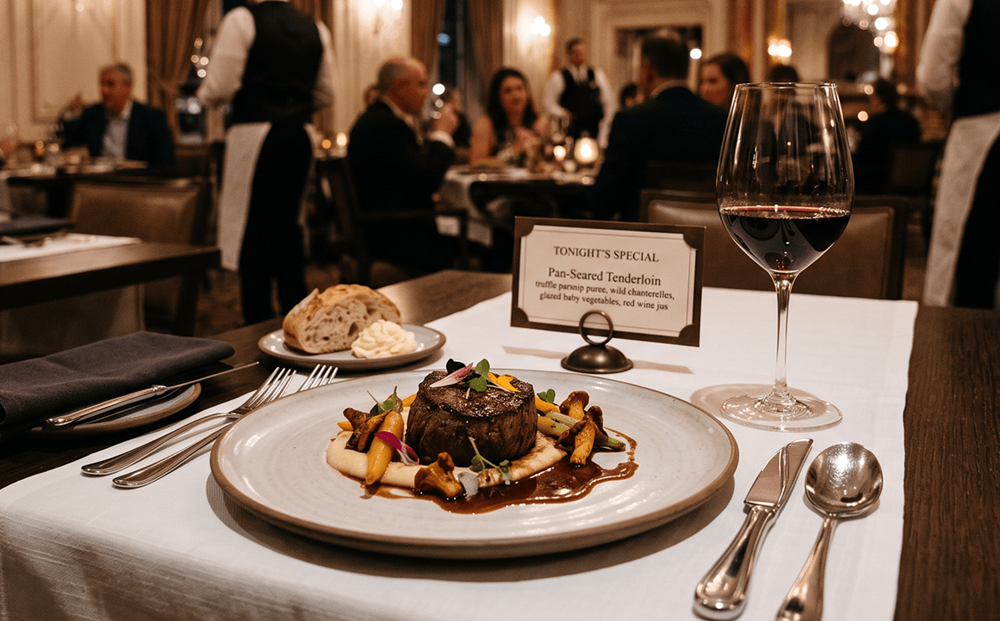
A truffle menu running for three weeks. A fixed-price dinner anchored to a seasonal ingredient at its peak — say, cherries in June. A themed evening tied to a moment on the calendar, like Halloween. Sometimes, you put these together with real effort… and then watch the reservation pace move less than expected. The special is real. The gap is usually structural.
Limited-time specials convert browsers into bookings when four conditions are met. The 2024 TouchBistro Diner Trends Report found that 68% of diners are more likely to book a reservation if a restaurant offers a limited-time food special. That figure reflects intent. Whether intent becomes a reservation depends on how the special is built, placed, and distributed.
The Deadline Does the Work
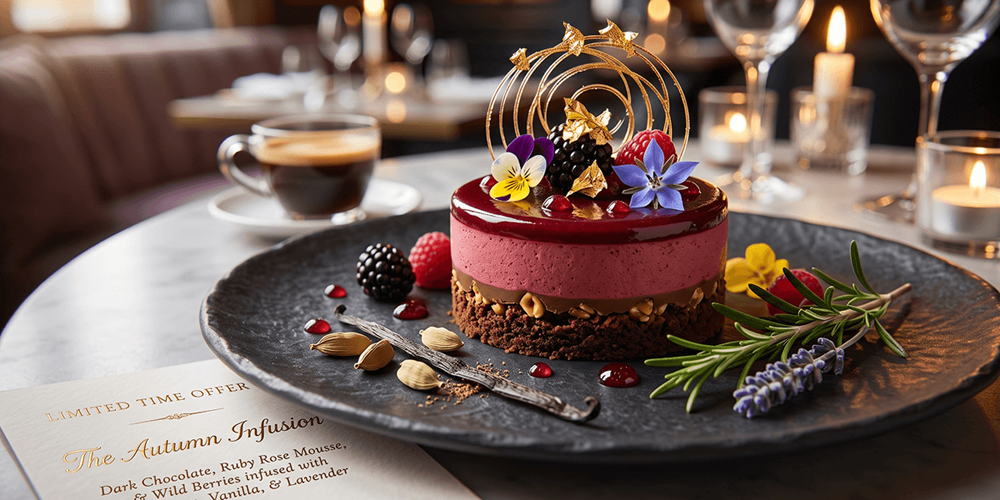
Often, the reason a limited-time special moves bookings is not only the offer itself; it is the deadline. A guest who is considering a visit but has not yet committed has no real push to decide. The deadline provides one. A reservation they were going to make “at some point” becomes something that needs to happen before Saturday. Procrastination goes out the window. The fear of missing out comes in.
However, this only works if the deadline is real. A special that “ends tonight” and reappears the next day trains guests to treat urgency as decoration. A rolling “limited-time” offer with no visible close date reads as permanent — which means it can always wait.
Use actual calendar dates or genuine inventory caps: “Available through October 25” or “12 covers remaining this weekend.” Both create conditions where a guest who was deferring has a reason to decide now.
The counterpart to authentic urgency is consistency. If a deadline moves once, guests notice. The trust that makes the next special convert depends on the current one closing when it said it would.
The Special Has to Appear Before the Decision Is Made
A limited-time special buried on the menu page is pointless. By the time a guest is reading the menu, they have usually chosen where to book already.
The special needs to appear earlier in the restaurant guest journey: in the announcement bar at the top of the website, inside the booking flow itself, in the confirmation email that follows a reservation.
For hotel F&B teams, the right moment is often further upstream still. The in-house guest who might book a dinner reservation is most reachable in the pre-arrival email, sent two or three days before check-in, when they are still planning the trip. A limited-time special surfaced at that moment, with a direct link to reserve, catches the guest while they are actively making decisions. Waiting until check-in to mention it reduces the window considerably.
The test is straightforward: can a guest see the special before they decide where to eat? If the answer requires them to dig for it, the placement is wrong.
Every Extra Step Loses Someone
A well-placed special creates intent. A long booking form can remove it. The guest who clicks through to reserve is making a decision under time pressure. They want to complete the action quickly. A multi-step form, a mandatory account creation, or a slow-loading page each introduce a moment to reconsider.
Keep required fields to the minimum that makes the reservation workable: name, party size, date, and a contact for confirmation.

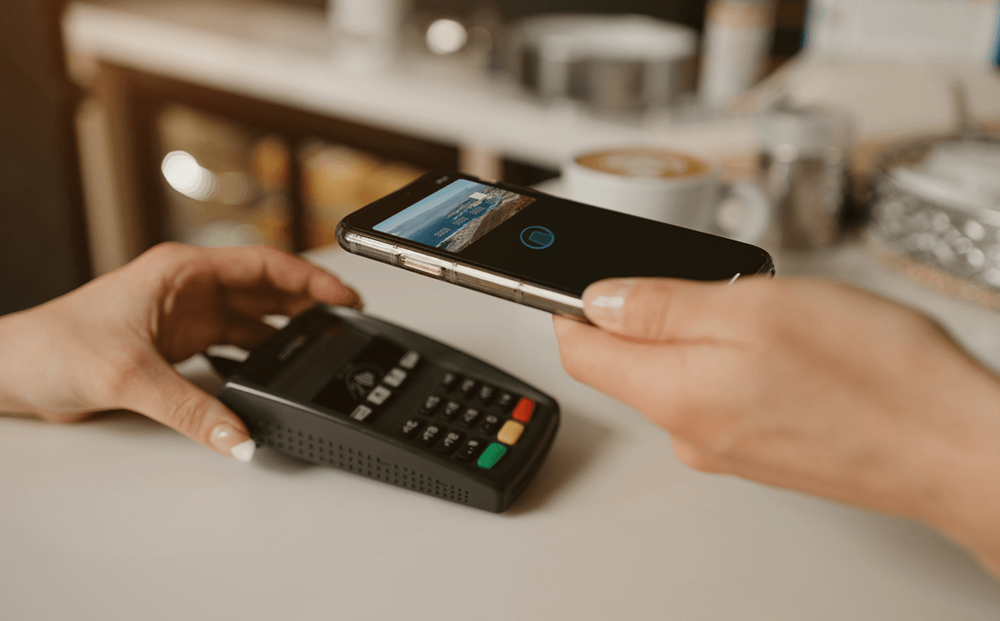
Mobile deserves specific attention. Most guests browsing restaurant options are on their phones, and a booking form that works cleanly on desktop often becomes awkward on a smaller screen. If the path from “I want this special” to “Reservation confirmed” takes more than 60 seconds on mobile, the conversion rate will reflect it.
The role your restaurant booking software plays here is not just transactional. A booking path that surfaces the special, confirms availability in real time, and completes the reservation in one step closes the gap between intent and action. One that requires the guest to navigate away, log in, or re-enter information they have already provided does not.
Reaching the Guests Who Showed Interest
Not every guest who sees a limited-time special books on the first encounter. Some save it, some share it, some mean to come back to it. These guests have already expressed interest — they are the warmest leads available. Multi-channel distribution is how to reach them before the deadline passes.
Email is the highest-return channel for existing guest databases. The recipient already knows the restaurant, has booked before, and responds to a deadline more readily than a cold audience. A reminder sent 48 hours before a special ends catches guests who opened the first email but did not act. Social posts, SMS, and WhatsApp messages extend reach to guests who are not yet in the database or who respond better to a different channel.
Hotel F&B teams have access to distribution channels that standalone restaurants do not. The in-house guest is reachable through room messaging, the concierge recommendation, and collateral at the restaurant entrance. The pre-arrival email sequence is a distribution channel in its own right. The logic is the same across all of them: reach the guest at a moment when they are still deciding, not after they have already decided.
Putting the Four Conditions Together
The limited-time specials that consistently convert browsers into bookings are not necessarily more generous or more creative than the ones that do not. They are structured differently. The deadline is real and visible. The special appears at the moment in the guest journey when the booking decision is still open. The path to reservation is short. And the follow-up reaches guests who showed interest before the window closes.
If your reservation setup makes it possible to surface specials at the right moment and capture the booking in a single step, the special can do what it was built to do. If it doesn’t, the menu carries most of the marketing work and the conversion happens elsewhere… or not at all. Limited-time specials, structured well, are a direct lever available for growing restaurant sales without expanding the menu or the team.
Servme helps you surface limited-time specials inside the booking flow and across guest communications, so the window between intent and reservation stays short. Book a free demo with Servme here.