Cash is not coming back. Restaurant operators now accept digital payments to meet customers’ demand for speed, convenience, and security. However, the key question today is how to give every guest a way to pay that fits how they carry money. The answer is not one method. It is flexibility: a payment setup that handles tap-to-pay, card-present transactions, mobile wallets, and/or table-side checkout without friction for the guest or extra steps for the team.
A setup built around one method will occasionally fail a guest. The tourist whose card doesn’t tap. The large table that needs four separate payments. The hotel guest expecting to charge to their room. The cost is rarely the transaction that doesn’t go through. It is the end of the meal going sideways. That’s why the goal is coverage: a payment stack broad enough that the method is never the reason a guest leaves frustrated.
The Payment Method Landscape
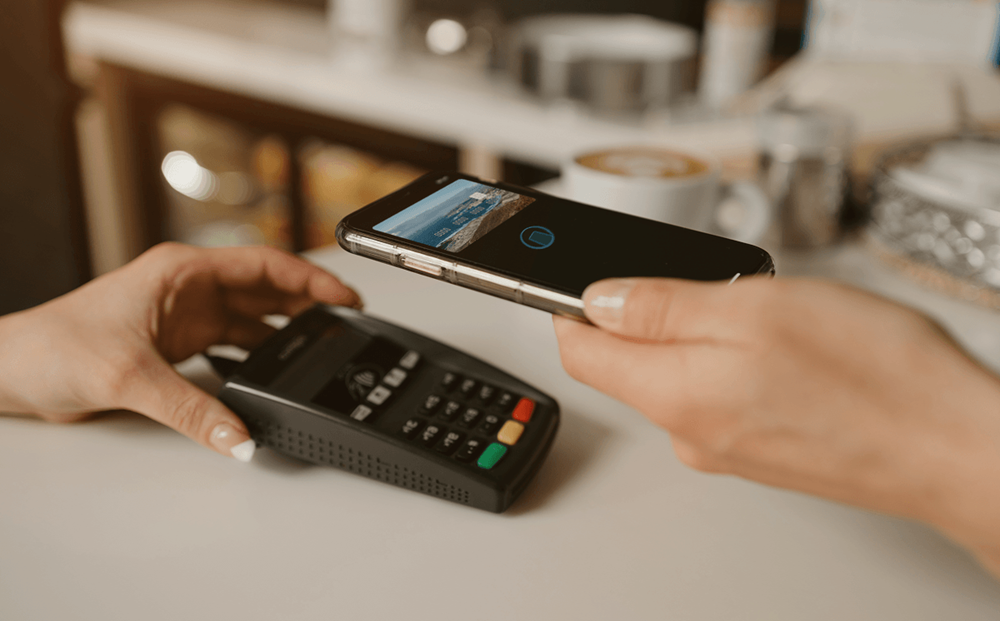
- Tap-to-pay via NFC (contactless card or mobile wallet). This has become the default in-person method in many markets, especially for guests under 40. It is fast, familiar, and requires no friction from the guest. Mobile wallets (Apple Pay, Google Pay, Samsung Wallet) extend that convenience to guests who prefer not to carry a physical card, running on the same underlying card rails. A terminal that accepts both NFC tap and mobile wallet covers the majority of in-person transactions before any other method is needed.
- Chip-and-PIN card transactions. Card-present swipe and chip transactions still account for a meaningful share of restaurant revenue globally. Not every market, card type, or guest segment has moved to contactless, and higher-value transactions sometimes prompt guests to use the confirmation step. However, keep in mind that chip-insert is slower than tap-to-pay. If your terminals support it, offer both.
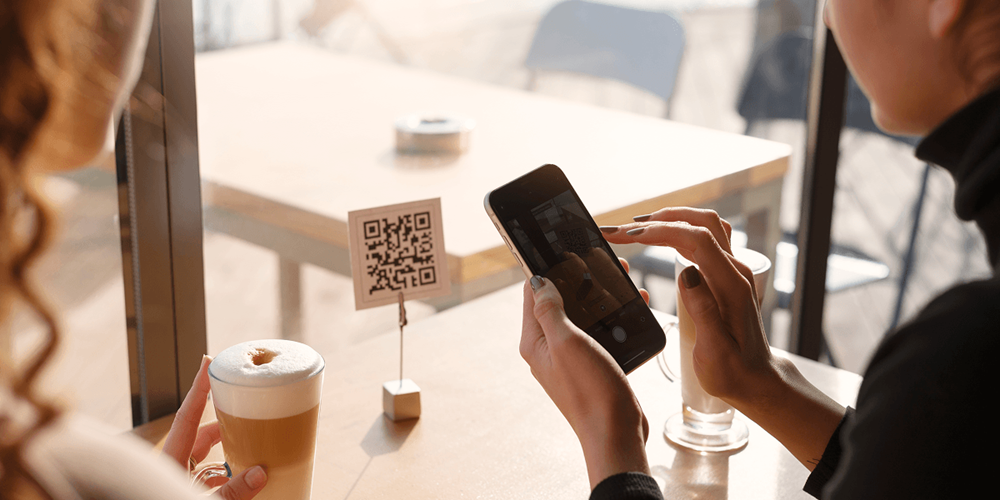
- Table-side QR checkout. This serves a specific use case: it removes the card machine from settlement in table-service environments. When a guest scans a QR code at the table, reviews an itemized bill, splits by person or item, and pays from their phone, the experience is genuinely faster — and the table closes in the POS automatically. Where table-side QR earns its place is high-volume table service. Where it is less suited: counter-service and quick-service formats, or contexts where QR familiarity is limited. It is a useful tool, not a universal solution.
What Getting It Right Delivers

Three operational gains follow when payment flexibility is built into the stack properly, rather than added as an afterthought.
- Table turnover. The most visible. When settlement does not require a server to make multiple trips with a terminal — retrieving it, carrying it over, waiting, carrying it back — the time between the last course and the next cover shrinks. At peak service, across a full section, the cumulative effect on covers per shift is significant, reducing the table turnover rate by 15% to 25%.
- Operational efficiency. A payment system integrated with the POS closes the table automatically. No manual closure step, no end-of-shift reconciliation mismatch, no staff time spent matching terminal receipts to POS records. The fewer manual steps in the settlement sequence, the fewer errors at close of service.
- Guest experience. The end of a meal is disproportionately weighted in how people recall it. A slow or error-prone checkout undoes a lot of what came before. Integrated payment removes the two most common friction points at settlement: wait time and billing errors. A checkout that is fast and accurate is not a nice-to-have; it is the last impression the guest takes with them.
Digital Tipping

Tipping behavior changes when the prompt is built into the payment screen. A gratuity option surfaced on a tap-to-pay terminal — three pre-set percentages, one tap to confirm — removes the friction of calculating and asking. The same applies at table-side QR checkout. The prompt appears after bill review, before payment confirmation, without a server standing there waiting. Vendor-reported data from digital tipping platforms suggests both tipping frequency and average amounts increase when the prompt is automatic rather than verbal (eTip, 2026).
For operators in markets where tipping norms vary, the design of the prompt matters: optional, clearly labeled, with pre-set options that do not require mental math. Digital tipping is worth evaluating explicitly, because the difference in staff earnings between a well-designed prompt and a poorly placed one is material.
Processing Fees, Security & POS Integration

Every payment method carries a processing cost, and the differences compound at volume.
- Credit and debit interchange fees vary by card type, card scheme, and issuing bank.
- Mobile wallets run through the same card rails as the underlying card, so fees are broadly equivalent to contactless cards.
- QR-based checkout platforms often layer a platform fee on top of standard card processing. Operators should read the full cost structure, not just the headline rate.
- Cash is free at the point of transaction, but carries costs in handling, reconciliation, and theft exposure that most operators underestimate when they price the comparison.
Security is non-negotiable. Any payment setup that touches card data must be PCI DSS compliant — the global standard for card payment security. Tap-to-pay and mobile wallets use tokenization: the actual card number is never transmitted, which is why they are considered more secure than magnetic stripe. For operators running multiple terminals or a table-side system, the question is not just whether the terminal is compliant. It is whether every element in the stack is, including the QR platform, the POS, and the connection between them.
POS integration is the deciding factor that separates a functional payment setup from a good one. A terminal that does not communicate with the POS means manual reconciliation: staff entering amounts, matching receipts, closing tables by hand. For any format above a handful of covers, this creates errors and delays that offset whatever the payment method gains in guest experience. The question to ask any payment provider is not “What methods does this accept?” but “How does it sync with our POS, and what happens when they fall out of step?” To understand how payment systems connect with reservation and POS data, see how your reservation and payment systems connect through Servme’s integration layer.
The Data Layer Underneath
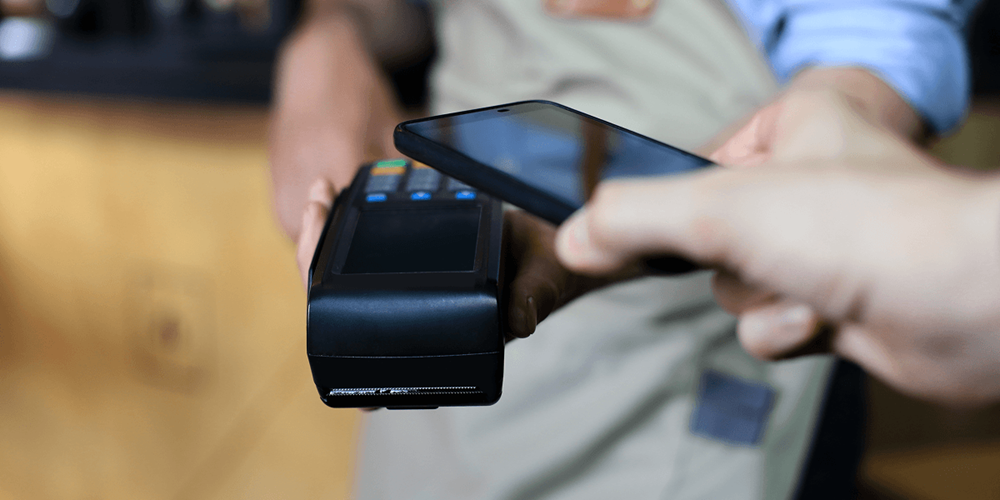
This is where operators shouldn’t stop thinking too early. Every payment transaction is a data event. Spend level, visit frequency, payment method, split behavior, tip rate — all captured at the moment of settlement. If that data connects to a guest profile in your reservation and CRM system, the payment becomes part of the picture that tells you who this guest is, how often they return, and how much they spend.
That connection between payment event and guest record is what separates a cashless checkout from a cashless operation. The checkout removes friction at the end of the meal. The integration between payment data and the guest profile compounds across every subsequent visit, enabling automated follow-up timed to settlement, return visit incentives built on actual spend history, and a front-of-house team that already knows what this guest ordered last time they walked in.
Restaurant payment flexibility is, ultimately, not a payment question. It is a hospitality question. Every method you accept is a guest you do not lose at the moment they reach for their phone or their wallet. Building the right stack is the infrastructure decision that makes everything else in the guest journey possible.
Servme integrates with 30+ POS systems and connects them to your CRM seamlessly. Book a demo here.