Why a Restaurant Guide to the Solo Diner? Because all over the world, me-conomics — an economic and cultural trend driven by individual consumer choices — is on the rise, and you don’t want to miss out on it.
The solo diner isn’t a niche. They’re a growing share of the booking population. Countries like Japan have long catered to single consumers — known as ohitorisama — adapting travel, entertainment, and dining for one. In the US, solo dining in restaurants has increased 23% from 2025 to 2026. Parties of one even represent a 59% share of foodservice breakfast occasions there, as per Circana research. Globally, orders for one now account for 47% of all fast-food visits, up from 31% in 2021, according to the Yum Brands Food Trends Report 2026. And even more notably, Tastewise’s 2026 trend forecast shows that solo dining has grown 32% year-over-year among Gen Z diners, who see it as an important part of their self-care routine.
You may have noticed the shift in covers, but have you configured your venue specifically for it? If not, this guide is the right place to start, focusing on the three touchpoints where the gap shows most clearly.
The Business Case for the Solo Guest

The solo diner is fiercely loyal and tends to spend 48% more than the average diner. They’re open to upsells, being more likely to buy wine pairings, desserts, or appetizer combinations. They’re often the most reliable cover on the floor as well. They arrive on time, rarely overrun their slot, and order without the friction of a group managing a split bill. Off-peak daytime slots — solo lunch, early dinner — are particularly predictable, and predictable covers are what keep labor schedules from unraveling.
In Japan, operators built an entire service model around the ohitorisama. The result wasn’t a niche product; it was a service standard that happened to suit every guest type. A venue that handles the solo diner well tends to serve everyone better: clear table assignments, efficient service timing, menus that support individual selection without awkwardness.
In Gulf markets, the solo dining guest includes the urban professional, the hotel resident, and the solo traveler navigating an unfamiliar city. Each of these guests has a different reason for dining alone, but they share a common starting point: a booking flow, a seat, and a welcome that treated them as expected rather than accommodated.
Hotel F&B has a specific version of this opportunity. A solo hotel guest who feels welcomed at breakfast returns for lunch and comes back on the next stay. The math on building repeat visits from a single solo guest across a hotel stay is more favorable than most F&B teams account for.
The Booking Flow Problem
The first test of whether your venue is configured for the solo guest isn’t the table; it’s the booking page. Many reservation platforms default to a minimum party size of two. A solo diner who hits that wall doesn’t call to ask. They book elsewhere.
Check your booking flow now with a party size of one. If it rejects the request or returns no available times, you’ve built a filter that eliminates a growing share of potential covers before the guest ever sees your menu. Each stage of the restaurant guest journey in MENA creates or removes friction; the booking step is often where solo diners lose the most.
The fix is a platform configuration, not a policy decision. Set the minimum party size to one and confirm that the availability logic returns appropriate tables for a single cover. This is the first and most impactful change on this list.
Seating That Reads as a Choice

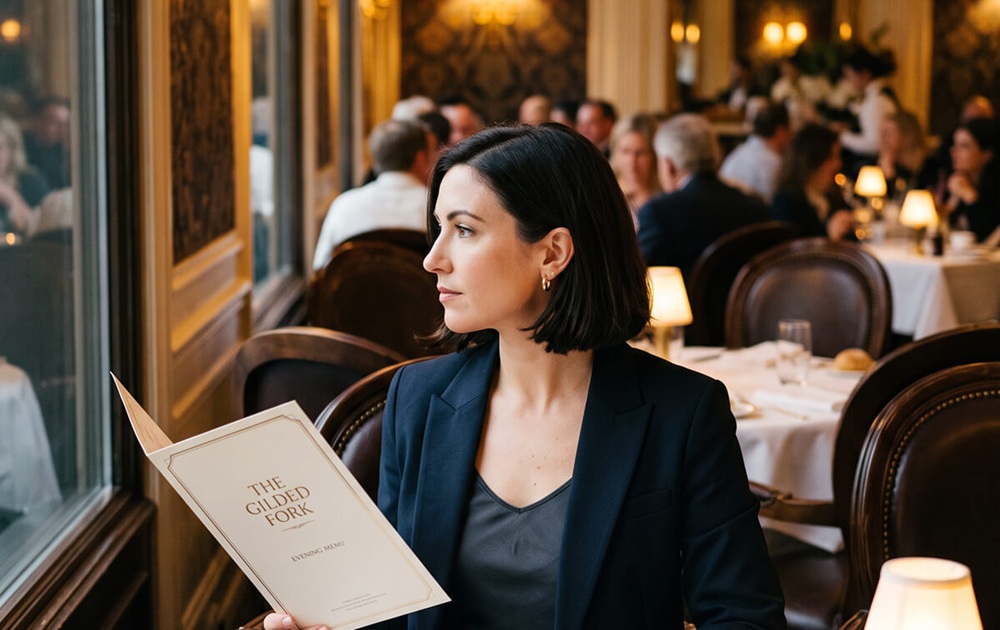
Where you seat a solo diner communicates whether you expected them. A high-top near the window, a counter seat with a clear sightline, a two-top positioned with intention — these read as deliberate. The back corner next to the service station does not.
Walk your floor during a quiet moment and identify which seats a solo diner would actually choose. Counter seating, bar-adjacent high-tops, and window two-tops tend to work well: they offer visual interest, some privacy, and the implicit permission to stay at one’s own pace. Route solo covers to these positions as a default.
Hotel F&B operators face this daily at breakfast. The solo business traveler doesn’t want an awkward communal arrangement or a seat where they’re watching the room empty before their order arrives. A counter seat with power access and a view is a small configuration decision that signals the team thought about this guest before they walked in.
Read Your Confirmation Email as a Solo Diner
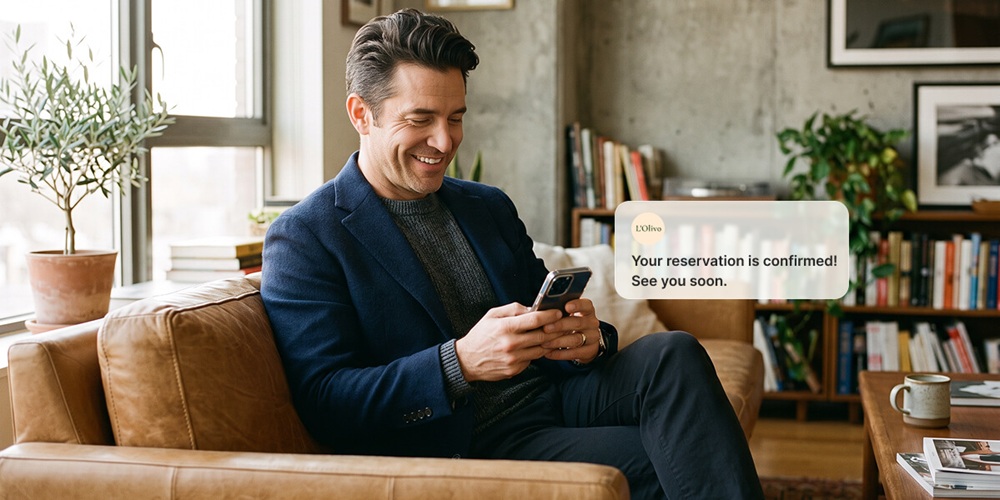
Most booking confirmation emails were written for groups. They use plural language, reference shared dishes, and assume a “your table” that implies company. Read yours as if you’ve just booked a table for one for the first time. Think about how each touchpoint affects that decision to return — and a confirmation email is often the last impression before the guest walks in.
The rewrite is minimal. “Your reservation” rather than “your group.” “Here’s what to expect when you arrive” works for any party size. Solo-relevant details — whether dishes are available in individual portions, where to find parking for a quick solo lunch — take minutes to add and cost nothing. The goal is a message that reads as if it was written for exactly the person receiving it.
This Restaurant Guide to the Solo Diner covers three adjustments that don’t require a renovation. Most can be implemented within a week. The combined effect is a guest experience that signals, from the first click to the seated table, that the solo diner was expected.
A reservation platform that accepts solo bookings and routes the guest correctly from first touchpoint to seated experience is where the configuration starts. Book a free demo here.