Yes, the guest experience happens during the meal. The food, the service, the atmosphere… These are what get reviewed, discussed, and remembered. But the restaurant customer journey is considerably longer than that. It starts before a guest has made a reservation and continues after they have paid the bill. Every interaction along that arc — a search result, a booking confirmation, a post-visit message — is a touchpoint. And each one either builds or erodes the guest’s relationship with the restaurant.
The challenge is when hospitality operators manage these stages separately, if at all. The result is a journey full of gaps where guests slip through without anyone noticing. Understanding what those gaps are, and why they matter, is the starting point for closing them.
What a Touchpoint Is & Why It Compounds
A touchpoint is any moment where a guest’s perception of a restaurant is shaped by an interaction with the brand — digital, physical, or human. The key word is perception. Touchpoints are not simply operational events. They are moments that carry emotional weight, and guests experience them as a continuous sequence, not as isolated incidents.
This matters because the effect of each touchpoint is cumulative. A guest who has a difficult time booking is already arriving with a lower baseline of confidence. A guest who is greeted by name and seated at their preferred table arrives with a higher one. The meal itself is the same in both scenarios. The experience is not. Operators who understand this stop optimizing individual moments in isolation and start thinking about the sequence as a whole.
Before the Visit: Discovery & Booking
- Discovery
The restaurant customer journey begins well before a guest steps through the door. It begins at the moment a restaurant enters their consideration — a Google search, an Instagram post, a recommendation from a colleague. The marketing work that fills the top of the funnel shapes who arrives and with what expectations.
- Booking
The booking experience is the second touchpoint, and it is the first one that requires the guest to act.
The booking process reveals something about the restaurant before the guest has even arrived. A widget that loads slowly, asks for excessive information, or offers no mobile-optimized experience communicates disorganization at the first moment of commitment… and guests notice. One that was designed with all this in mind makes a difference.
- Confirmation Message
The confirmation message that follows the booking is another touchpoint that you shouldn’t underestimate. A prompt, clear confirmation, sent within minutes of the reservation being made, signals reliability. A delayed or generic one does the opposite.
For hotel F&B, the booking touchpoint is compounded by the architecture of the hotel website itself: a guest who has to navigate through a hotel homepage, a dining section, and then a booking form before completing a reservation has encountered three friction points before they have eaten a single course.
Arrival: The First Physical Touchpoint
The moment a guest arrives, the restaurant customer journey moves from digital to physical, and the stakes change. A guest who has built up anticipation through discovery, a smooth booking, and a well-timed reminder arrives with high expectations. The arrival experience either validates those expectations or begins to erode them.
The host interaction is the most important single touchpoint in the arrival stage. Being greeted by name, having a special occasion acknowledged, or being led to a preferred table without having to repeat a request made at booking — these moments are memorable precisely because they are rare. They signal that the restaurant pays attention. Their absence signals the opposite.
For hotel restaurants, the arrival question is different: the guest is already in the building, often choosing between the hotel restaurant, room service, and dining elsewhere. The capture rate — the share of in-house guests who choose to dine at the hotel’s own outlet — depends on how visible, welcoming, and easy that choice feels at the moment the guest is making it. A host who makes contact proactively is doing a form of sales. A restaurant with no visible presence on the hotel floor is leaving that decision entirely to chance.
The Dining Experience: When the Journey Feels Easy
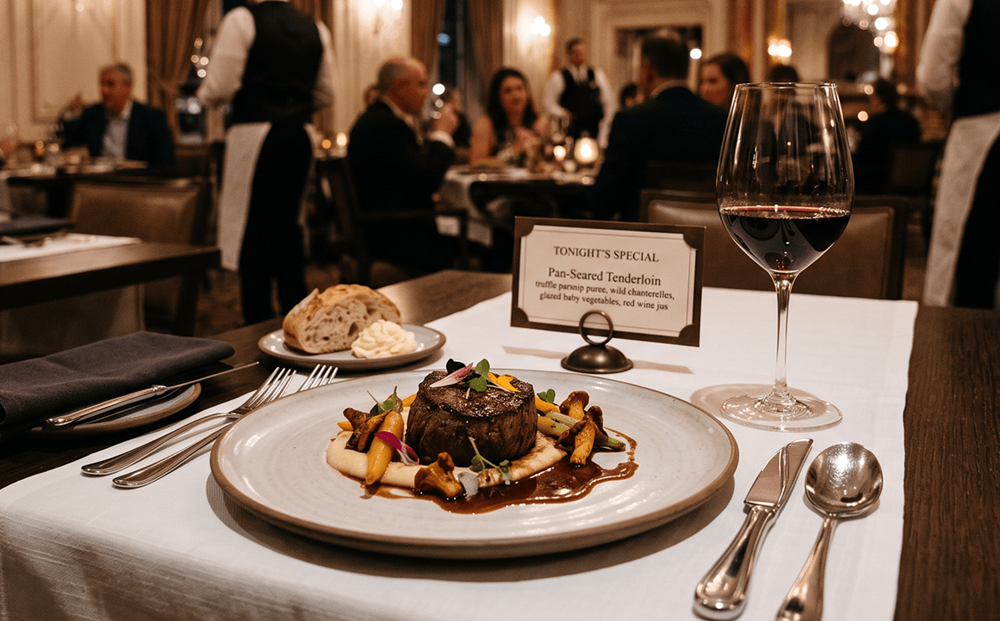
The dining experience is, naturally, the stage operators invest in most, and it is still the one guests care about most. Food quality, service pacing, and atmosphere are the core of what a restaurant sells. But within the dining stage, there are touchpoints that separate a good meal from a memorable one.
Personalization is the most consistent differentiator. A server who knows a guest has a severe allergy without the guest having to mention it again. A team that is aware it’s a birthday without the guest having to remind anyone at the table. A manager who checks in at the right moment, not to ask a scripted question but because the table has been running for two hours and another glass of wine is a natural next step. These are not accidents. They require information — guest notes, booking context, visit history — to be accessible to the right person at the right moment during service.
When that information exists and is used well, the guest feels seen. When it does not exist or is not acted on, the guest feels like a table number. The dining experience is the longest stage of the restaurant customer journey, and the accumulation of small moments within it is what drives the review the guest writes afterward.
After the Visit: The Stage Most Often Skipped
- Goodbye
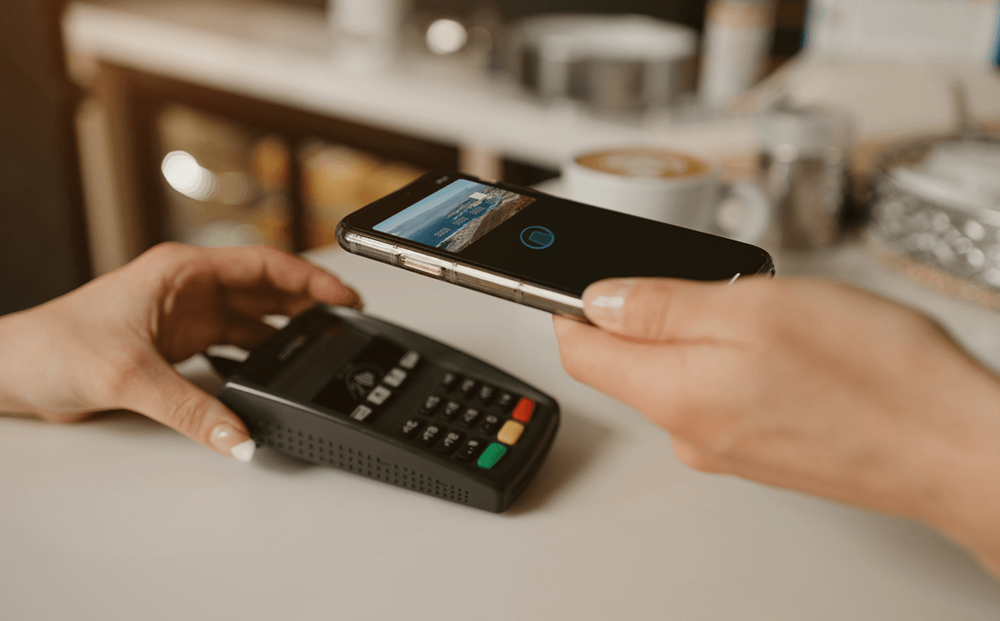
The check presentation, the farewell from a host who remembers the guest’s name, the absence of a wait for the bill… These close the physical visit either well or badly. But the post-visit stage extends well beyond the door.
- Thank You Note & Survey
A message or a survey request sent within 48 hours of a visit, while the experience is still fresh, gives the guest a natural prompt to share feedback. Sent too late, the moment has passed. Not sent at all, the operator has no signal about what worked and what did not. That feedback, when it leads to a public review, feeds directly back into the discovery stage for the next guest. A pattern of strong reviews shapes who finds the restaurant first. A pattern of weak ones shapes who walks past it.
- Re-engagement Campaigns
A message timed to a guest’s likely next visit, a note around an anniversary, a campaign before a peak trading period, are the mechanisms by which a one-time diner becomes a regular. Most operators who struggle with repeat visit rates are not failing at service. They are simply not doing anything after the visit ends to remind the guest they exist.
Why the Journey Has to Be Managed as a Whole
The compounding nature of touchpoints means that excellence in one stage cannot fully compensate for failure in another. A guest who had a difficult booking experience but an exceptional meal may not return, not because the food was not good, but because the thought of going through the booking process again is not worth it. A guest who had a smooth booking and warm arrival but was never followed up with afterward has no particular reason to choose that restaurant again over a new one.
This is the insight you shouldn’t miss. The restaurant customer journey is not a series of independent moments. It is a sequence where each stage shapes the next. Managing it well means understanding where the breaks are, what causes them, and what a smooth handoff from one stage to the next actually looks like in practice. The restaurants that do this consistently — across standalone operations and hotel F&B alike — do not need to work harder at attracting new guests. They retain the ones they already have.
Servme is built to manage the full restaurant customer journey in one connected platform. Book a demo at to see how it works for your operation.