Most Gulf restaurants have built a presence on Instagram. Fewer are on TikTok, and of those that are, most are treating it as a shorter version of the same approach. TikTok marketing for restaurants in the Gulf is still early enough that a genuine, consistent presence is a competitive advantage. The operators who build it now will be ahead of most of their market.
Why TikTok Works Differently From Instagram
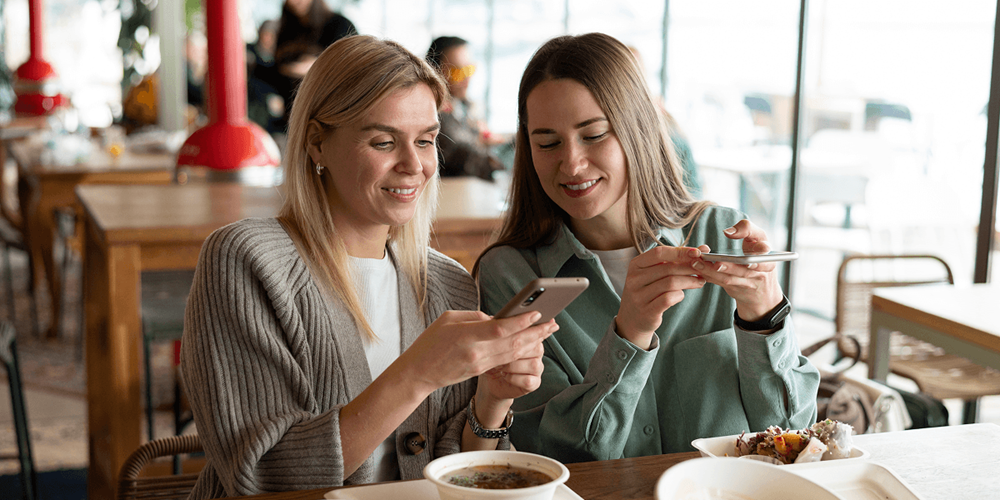
Instagram’s home feed blends posts from accounts you follow with algorithmically recommended content. TikTok’s default experience — the For You page — is built around what you watch. The algorithm distributes content based on engagement signals: whether a viewer watches to the end, replays the video, or interacts with it. Follower count is not the primary ranking signal.
This structural difference has a practical implication for restaurants entering the platform late. A new or smaller account can reach a large audience without an established following. That’s because the algorithm rewards the content itself rather than the account’s history. A video that earns sustained attention in its first three seconds can reach thousands of viewers the same day it is posted.
The format that performs on TikTok is also different. Instagram rewards aesthetic consistency: a coherent visual grid, polished photography, and a unified brand tone. TikTok rewards specificity and narrative. A thirty-second clip of a chef explaining why a dish is constructed the way it is will consistently outperform a promotional cut. High production values are not the differentiator on TikTok; the story is.
For operators building their Instagram presence alongside TikTok, Servme’s guide to Instagram for restaurants covers it in detail.
TikTok in the GCC: Who Is on the Platform
TikTok’s penetration in the Gulf is substantial. According to DataReportal, in Saudi Arabia, the platform reached approximately 21.35 million users in 2025. In the UAE, the figure is approximately 9.62 million users, representing one of the highest penetration rates globally.
The demographic profile matters for restaurant operators. TikTok skews toward 18-to-34-year-olds in both markets. This age group is most likely to discover new restaurants through social content rather than recommendation or habit. This is the audience most operators want to reach for new guest acquisition.
A restaurant in the Gulf that is absent from TikTok is absent from the primary social discovery channel for a significant share of its target market. That gap is still closeable, Gulf restaurant TikTok presence is less established than its Instagram presence. However, the window to build a meaningful early position is narrowing as more operators recognize the opportunity.
Content That Gets Traction for Restaurant Accounts
The format difference between TikTok and Instagram extends to what operators should actually publish. Where Instagram rewards photo carousels and high-quality stills, TikTok is a short-video environment. Most content that performs well runs under 60 seconds. The structure should be tight and the opening five seconds should give the viewer a reason to keep watching.

Three types of content perform reliably for restaurant accounts on TikTok.
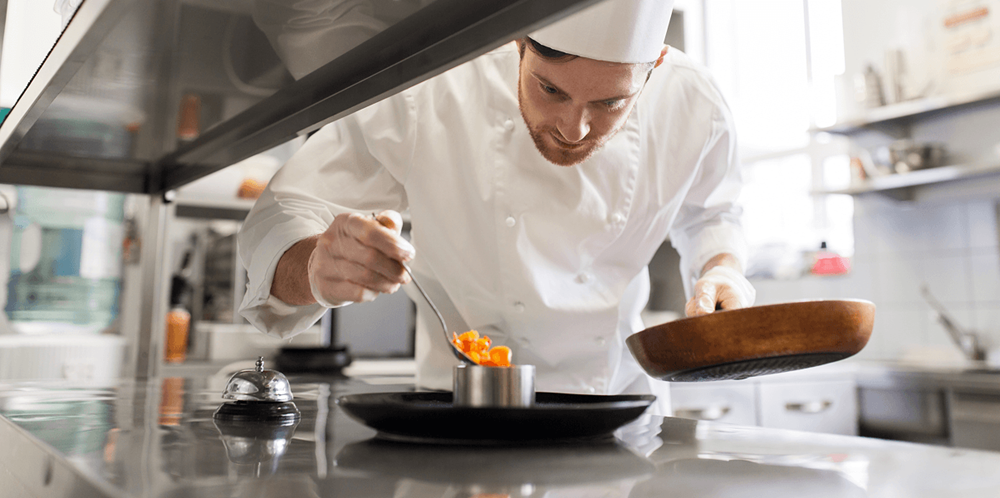
- The kitchen process clip. A time-lapse or real-time video of a dish being plated, a sauce being reduced, or a prep technique being executed — no voiceover required. These perform because they satisfy curiosity without feeling like an advertisement. A viewer who had not considered visiting may decide to after watching a kitchen clip that makes the food look worth experiencing.
- Team and behind-the-scenes content. This covers a wide range: a server describing a guest’s reaction to a dish, a chef explaining where a key ingredient comes from, a manager walking through a menu change, or a candid clip of a busy Saturday service. What these have in common is that they show the people behind the restaurant. Text-on-screen captions make them accessible without relying on audio, which matters because a significant share of TikTok is consumed with sound off. Authentic and unscripted consistently outperforms polished and produced in this format.
TikTok Best Practices for Restaurants
The accounts that build meaningful reach on TikTok post regularly. Three to five times per week consistently outperforms one polished post per week in the platform’s algorithm. That’s not because volume beats quality, but because regular posting generates more engagement data. The algorithm uses that data to understand who to show the content to.
For a restaurant team, this means rethinking what counts as content worth publishing. A 30-second clip of the evening prep routine, captured on a phone, requires no production equipment. A team member describing the week’s specials in two sentences requires no editing. The barrier is not equipment or budget; it is building the habit of capturing moments before they pass.
Batch recording is a practical approach for busy kitchen teams. Setting aside 30 minutes once a week to capture five to seven short clips at various stages of service or prep creates a library of content that can be scheduled across the following week without interrupting daily operations.

Planning a content schedule and drafting caption variations across these formats is one of the practical applications of AI tools for a restaurant marketing team. For a wider overview of how AI applies to restaurant operations, the Servme AI playbook for F&B teams covers the landscape.
Trending audio is the most TikTok-specific mechanic to keep in mind. The algorithm gives a distribution boost to content using trending sounds, which means overlaying a currently trending audio track on a kitchen clip or a team moment can significantly extend reach. The content itself doesn’t change; the sound does the algorithmic work. Checking which sounds are trending and applying them to already-captured footage is a low-effort way to reach audiences well beyond the restaurant’s existing followers.
On hashtags: broad tags like #food or #restaurant surface content to large, unfocused audiences. Narrower hashtags — location-specific, cuisine-specific, and niche F&B community tags — tend to reach more relevant viewers. Three to five well-chosen hashtags outperform a generic list of ten on TikTok’s current algorithm.
On organic versus paid: TikTok’s promotion tools can amplify content that is already earning organic engagement. Boosting a video that performed well in its first 24 hours costs significantly less and reaches further than promoting content that did not earn organic traction. Organic performance is the prerequisite, not an alternative to paid reach.
Connecting TikTok Reach to Actual Covers
Reach and reservations are not the same thing. Confusing them is a common mistake Gulf operators make when evaluating their TikTok presence. A video that gets 40,000 views is useful awareness. A video that generates 20 reservation attempts in the 48 hours after posting is useful in a different and more directly measurable way. Both matter; both require different signals to track.
The practical setup is straightforward: keep the reservation link in the TikTok profile bio, note the posting date of each video that performs well, and check whether reservation volume moved in the days that followed. Organic content can surface for days after posting, so a 7-day lookback gives a more reliable read than a 24- or 48-hour window. Most Gulf restaurants do not yet have this feedback loop in place. Setting it up costs one afternoon and requires no specialist tools.
For operators using a guest management and reservation platform like Servme, cover data by date is already in the dashboard. The question is whether the team is looking at that data alongside the TikTok posting calendar. Understanding the restaurant guest journey in MENA — how social awareness converts into a reservation, a visit, and a return — provides the right frame for thinking about what TikTok reach is actually for.
The Most Common Mistakes Gulf Restaurant Operators Make on TikTok
A few patterns of underperformance show up repeatedly on Gulf restaurant TikTok accounts.
- Posting infrequently and abandoning the channel. An account that posts once every two weeks does not build a learning loop with the algorithm. The platform surfaces accounts that post regularly. An irregular presence trains neither the algorithm nor the team.
- Running only promotional content. “Book now,” “Festive menu available,” “We’re now open for lunch” — these perform poorly because they offer the viewer nothing. Every piece of content should give the viewer something: information, entertainment, a reason to feel the venue is worth their time. The reservation ask comes after the value, not instead of it.
- Ignoring comments. The TikTok algorithm treats comment activity as an engagement signal. A restaurant account that does not respond to comments is leaving one of the platform’s most direct feedback and distribution mechanisms unused.
- Cross-posting from Instagram without reformatting. Content designed for Instagram’s visual style and caption conventions rarely performs on TikTok. The audience notices the misfit, and so does the algorithm. TikTok marketing for restaurants works when the content is built for TikTok, not when it is repurposed from another channel.
For Gulf restaurant operators with the bandwidth to build a genuine TikTok presence, the opportunity is real and the field is not yet crowded. The operators who establish a consistent, specific voice now will have a distribution advantage that will be difficult for later entrants to close quickly.