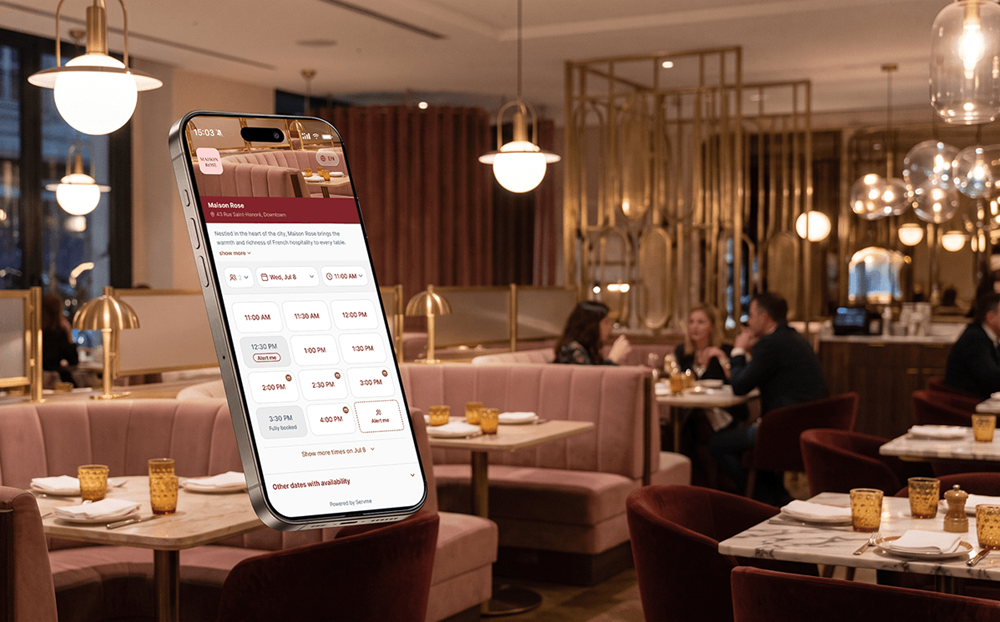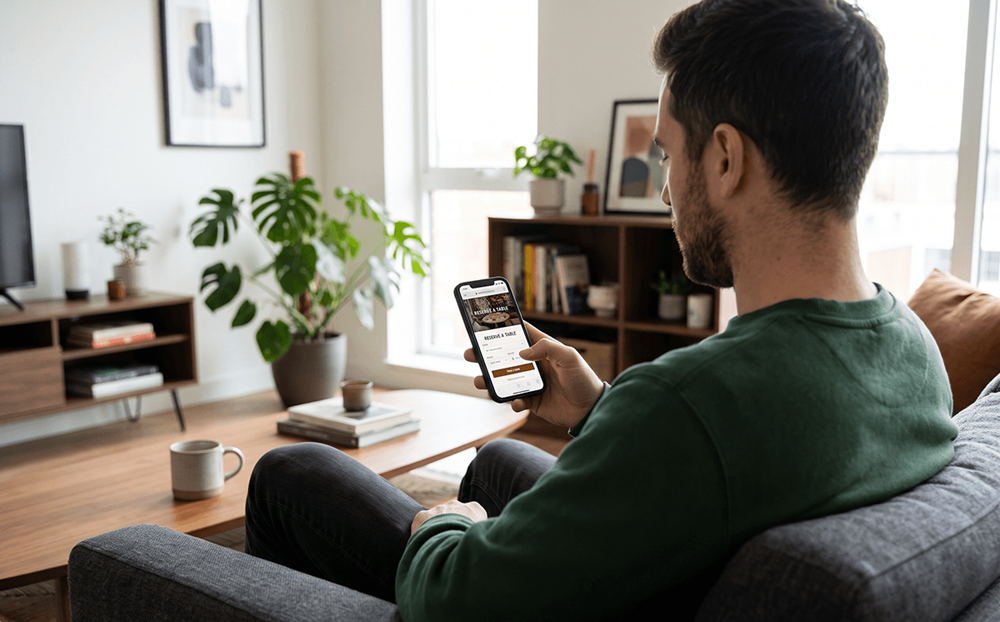
The research is clear. 65% of diners go directly to a restaurant’s website to book a reservation, rather than using another booking platform (Toast, 2025). That number deserves more than a passing mention. It tells you something specific about guests’ restaurant booking journey and their decision-making process. Understanding that is the starting point for every restaurant website booking strategy worth having.
Other Platforms Are for Deciding. Your Website Is for Committing.
When a guest opens a social media or third-party booking platform, they are still in discovery mode. 55% of respondents said they turn to Google when looking for a place to make a reservation, and 46% said they check Google Reviews first. They are comparing venues and weighing options. These channels exist precisely to hold that comparison process, and every restaurant shown there is competing for the same attention.
A guest who navigates to a restaurant’s own website has already left that comparison behind. The decision has been made. What they are looking for now is confirmation and a way to complete the booking. They arrive with intent already formed, not intent still forming. That is what the 65% figure reflects.
So, if you have a strong restaurant marketing strategy in place — the Instagram post, the review a friend left, the influencer video, the right Google Business Profile, the Reserve with Google button that routes directly to the booking form — most of those searches will surface your restaurant’s website. The guest has searched, confirmed the venue is right, and arrived ready to book.
Where the Booking Gets Lost

According to the same Toast survey, 44% of respondents said they find a restaurant less appealing and stop trying to book when it is difficult to make a reservation. That 44% represents intent that was already there and then abandoned. The guest did not change their mind about the restaurant. The friction of the booking process changed it for them.
The most common friction points are straightforward. The booking widget is buried below the fold, requiring the guest to scroll before they can act. The page is slow to load on mobile, which matters because the majority of restaurant searches happen on phones. The reservation form asks for more information than the guest is willing to provide before they see confirmation. Or there is no direct booking option at all, and the guest is redirected to a platform they were not expecting.
For hotel F&B operations, this problem compounds. A hotel website typically routes guests through a homepage, then a dining section, then a restaurant page, then a booking form. Each additional step is a drop-off point. A hotel restaurant that relies on the hotel’s website architecture for its bookings is adding friction at exactly the moment when guest intent is at its highest.
What a High-Converting Booking Experience Looks Like
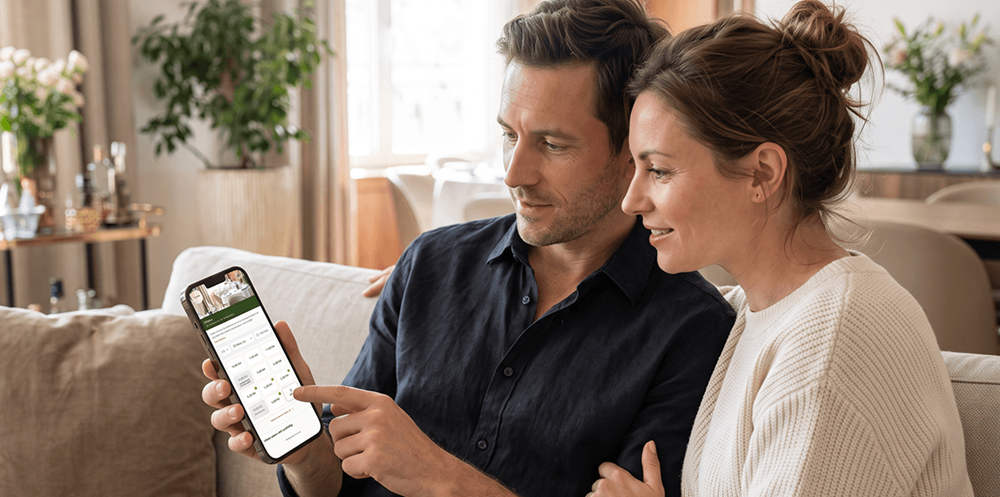
The standard for a high-converting booking widget is not complicated. The widget should be visible above the fold on the homepage. It should load in under three seconds on a mobile device. It should offer guests the option to select a seating preference at the time of booking. And it should send a confirmation email within two minutes of the booking being made.
For peak nights, a deposit or card hold policy reduces no-shows without requiring additional staff effort. It also signals to the guest that the restaurant takes reservations seriously — a form of quality assurance that begins before the guest has arrived.
A waitlist integration is a useful fallback for fully-booked nights. A guest who cannot get a table but can join a waitlist remains in the funnel. A guest who hits a “fully booked” message with no alternative has left it. Every step in the booking experience that keeps a guest engaged rather than bouncing is part of the restaurant customer journey, and each one is an opportunity to either strengthen or lose the reservation.
Owning the Booking Means Owning the Guest Data

Every booking that comes through a restaurant’s own website produces a guest record: a name, a contact, an occasion, a seating preference, and a timestamp. Every booking that comes through a third-party platform produces a cover — and typically nothing more, because the platform retains the guest data.
This distinction matters most not on the night of the reservation but in the weeks and months after it. A post-visit message sent within 48 hours, a re-engagement email timed to the same occasion the following year, a WhatsApp campaign sent before a peak trading period… These reservation management moves are only possible when the restaurant owns the contact. The 65% of guests who prefer to book directly on the restaurant’s website are, in a meaningful sense, offering that relationship. The booking widget determines whether the restaurant accepts it.
The Booking Experience Is the First Impression
Understanding how each touchpoint shapes what a guest feels before they arrive is the foundation of effective reservation management. For guests who book directly on the website, the booking experience is the first touchpoint that requires any action from them. A smooth process builds confidence: the restaurant is organized, the data has been handled properly, and the team is expecting them. A difficult process does the opposite, and for 44% of guests, it ends the relationship before it starts.
Don’t treat the booking widget as a minor operational detail; you’d be leaving it to do damage at exactly the moment when intent is highest. The guest has done the work of deciding. The website just needs to get out of the way.
Servme’s booking widget is built to handle this moment: direct bookings from the restaurant’s own website, with full guest data ownership and a mobile-optimized experience from first click to confirmation. Book a demo to see how it works for your operation.