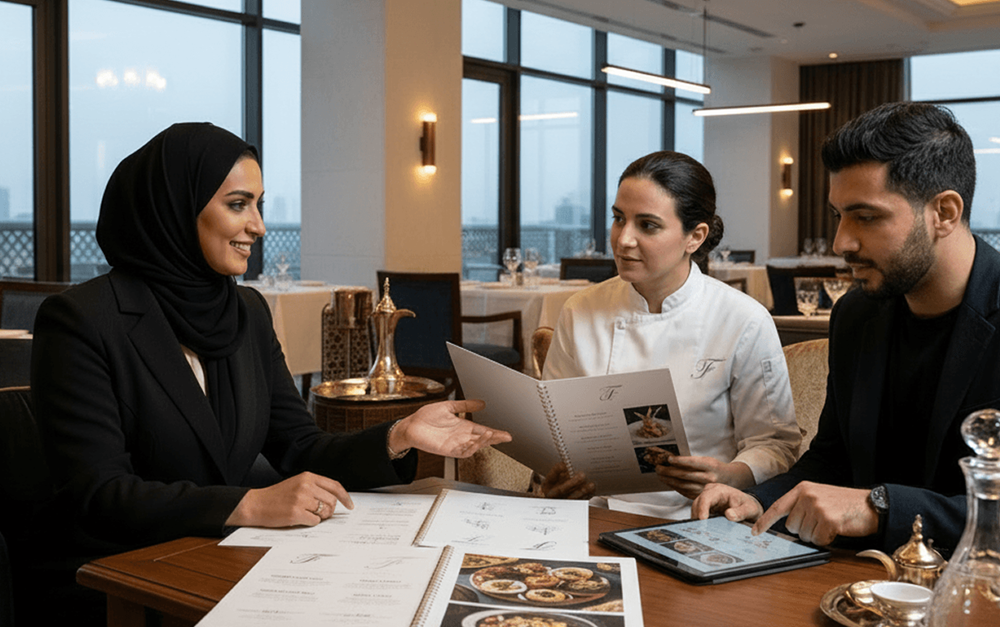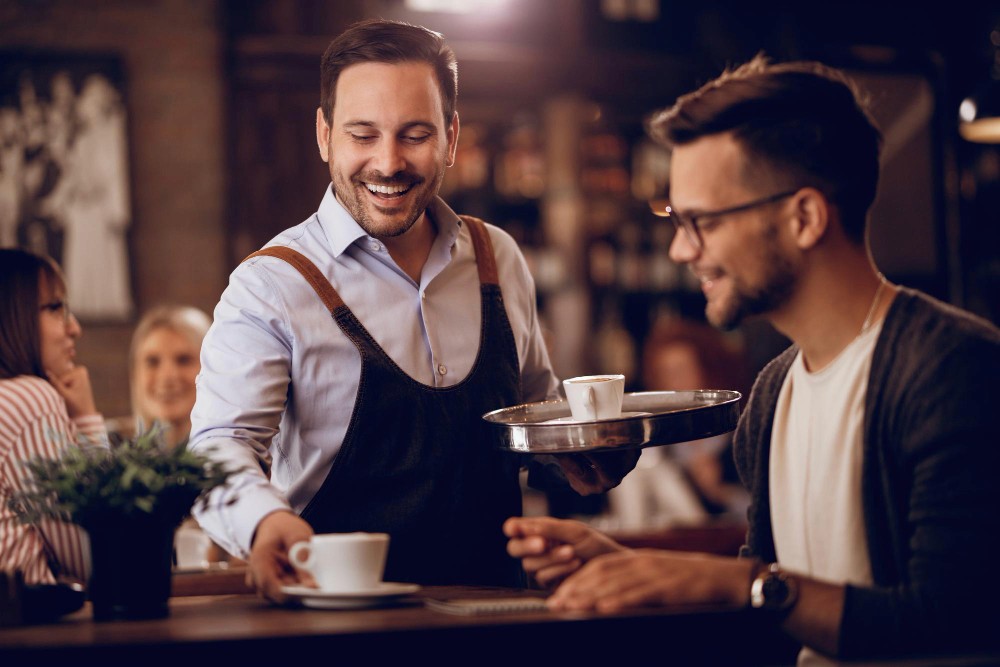
Your restaurant has a reservations system, a floor plan, and a confirmation email. But do you have a structured approach to the window between booking and arrival? This moment in the restaurant guest journey is when guest intent is already high and that intent can be converted or ignored. They express their preferences have. And they have not yet made the decision to spend more or less. It’s also where several restaurant upsells sit. Most of them are already built into how your operation works. You just haven’t priced them.
Seat & View Preference

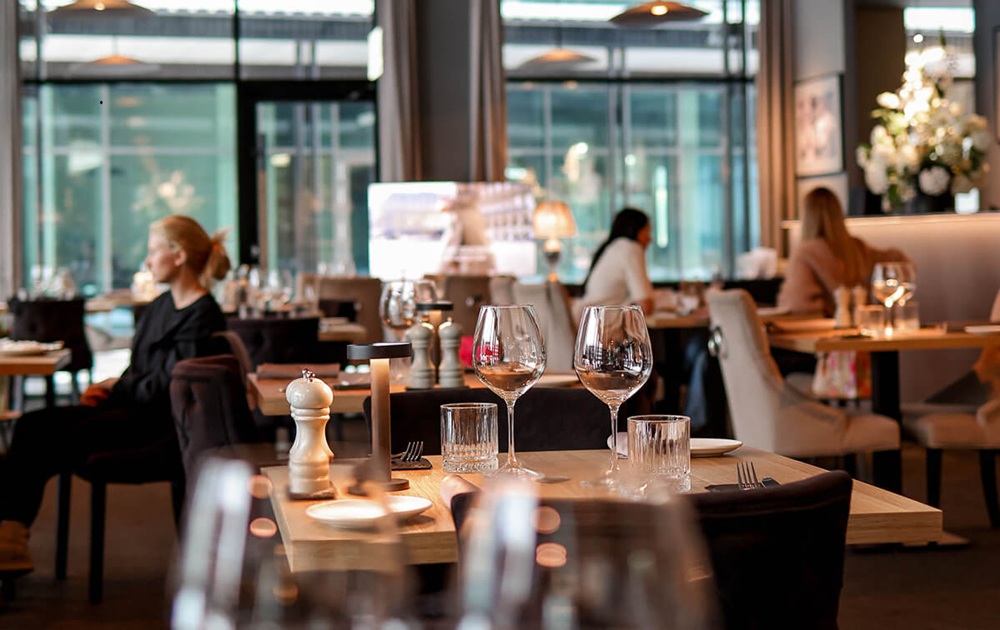
According to a Toast, 44% of restaurant guests in the US want to choose their seating type at the point of booking. For operators everywhere, the pattern is familiar: the terrace seat, the window table at the view restaurant, the corner booth for the anniversary dinner, the private section for the business breakfast… Guests already know which seat they want before they arrive.
The mechanism that makes seat preference a viable upsell asset is scarcity. These seats are finite and your capacity is already in your floor plan. When supply is fixed and guests express demand at the point of booking, the conditions for pricing are already present. A small premium for guaranteed preferred seating simply converts a preference into confirmed revenue.
Occasion Capture

The occasion booking is one of the highest-margin segments in F&B. Birthdays, anniversaries, business dinners, and celebration meals share a common profile: the guest has already decided to spend more. The question is whether you capture that intent at booking or discover it when the guest mentions it to the waiter.
What operators lose when occasion capture happens at the table rather than at booking is prep time, upsell precision, and margin. A guest who books “Anniversary dinner, table for two” with a floral arrangement and a dessert plate confirmed in advance generates more revenue than the same guest who receives a generic offer on arrival. The add-on is often identical. The timing is the difference.
Pre-Ordered F&B Add-Ons

Pre-arrival F&B upsells, like a bottle chosen at booking or a sharing starter selected before arrival, convert at surprising rates. Runnr.ai’s 2025 data, drawn from their own customer base, indicates roughly one in five guests acts on a pre-arrival upsell offer. That figure is vendor self-reported and should be treated as directional rather than universal, but the direction is consistent: guests who are already confirmed in a booking are more receptive to add-ons than guests approached cold at the table.
The operational benefit compounds the revenue case. A pre-ordered bottle means the sommelier knows before service begins. A confirmed starter means the kitchen can prep without waiting on the table’s first decision. Pre-arrival F&B orders shift planning load from the service window to the booking window, where the team has more time and more information, avoiding bottlenecks.
Hotel F&B operators have a structural advantage here. The room booking creates a natural moment for F&B pre-selection: dinner reservation with a pre-ordered bottle, breakfast preference in the guest profile, in-room welcome amenity tied to the occasion the guest mentioned. The channel already exists; it just needs the content.
Time-Slot Premiums
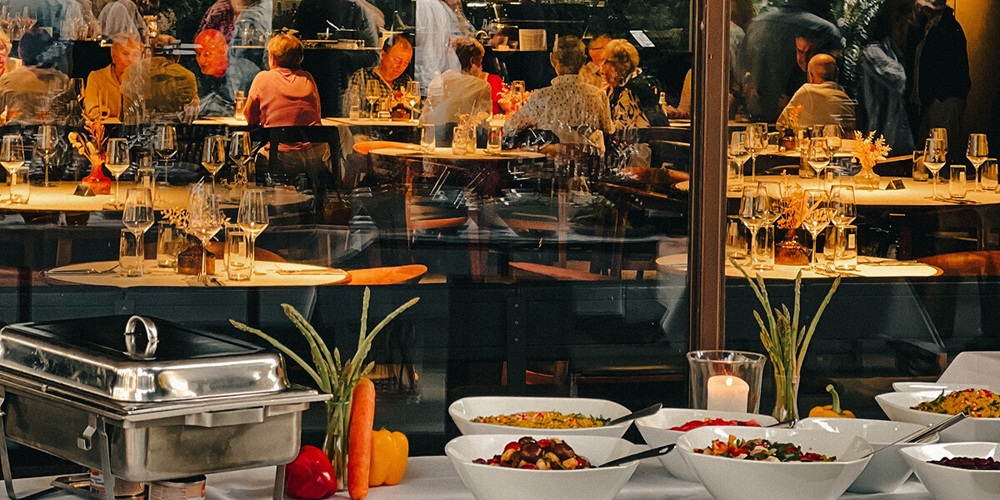
When demand for a specific time window measurably outpaces the supply of tables, that window carries pricing power.
Time-slot premiums don’t require yield management software to implement at a basic level. A confirmed reservation for the Friday 8pm sitting with a small premium that includes a welcome drink converts a high-demand booking into confirmed revenue. The guest choosing the premium slot is often the guest who was going to book it regardless. The premium structures the exchange rather than creating new friction.
For hotel dining, the pattern appears most clearly at weekend brunches and holiday-period dinners, where peak-window demand reliably outpaces supply. A tiered structure that prices the peak window at a premium isn’t a barrier for high-intent guests; it is an honest reflection of what the experience is worth at that time.
Advance-Prep Experiences
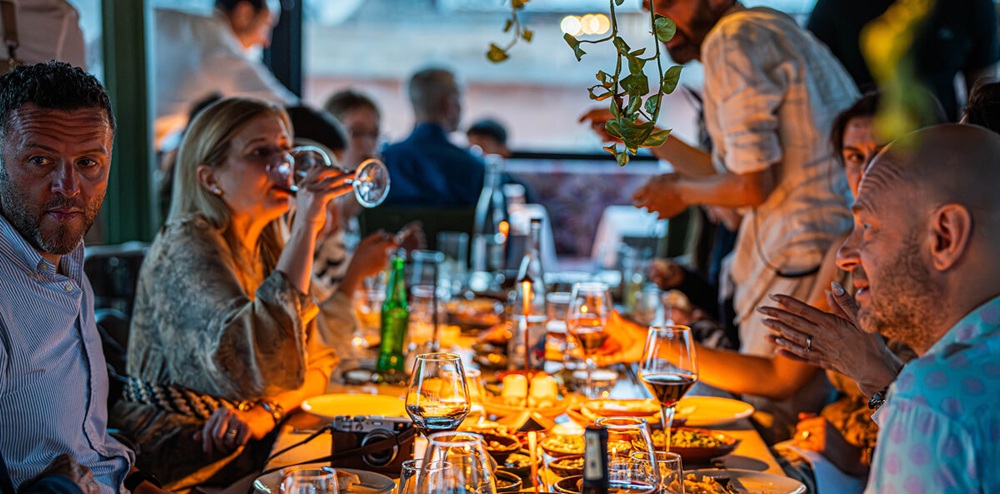
The fifth asset is the least commonly used and often the highest-margin: the pre-arranged experience that requires advance confirmation to deliver well. A chef’s table booking where the guest chooses a menu a week in advance. A wine pairing you confirm before service so the sommelier can plan. A dietary-preference note that leads to a personalized menu card. These are experiences that you can only deliver well because you have confirmed them in advance.
Operators who build pre-arrival experience options into their booking flow achieve two things at once: they generate confirmed revenue before service begins, and they create service quality they could not otherwise deliver. The guest who books a personalized tasting menu two weeks out isn’t paying for the menu alone; they’re paying for the certainty that the kitchen prepared it.
The restaurant upsell assets in this guide share a single characteristic: the infrastructure to offer them is already present in any restaurant with a reservation system. The question is whether to price what is already happening and confirm it before service begins.
Improving restaurant sales starts in the booking window, where demand already exists and most operators have yet to charge for it.
A reservation platform that captures guest intent at booking and converts it into confirmed pre-arrival revenue is where the process begins. Book a free demo here.